
Pelican Cases for Film & Cinema: The Complete Tier Guide
Posted by Innerspace Cases on 6th Jul 2026
INNERSPACE CASES · EDITORIAL
Pelican Cases for Film & Cinema
A working guide to every Pelican tier — from the shop that has packed cinema gear into them for more than three decades.
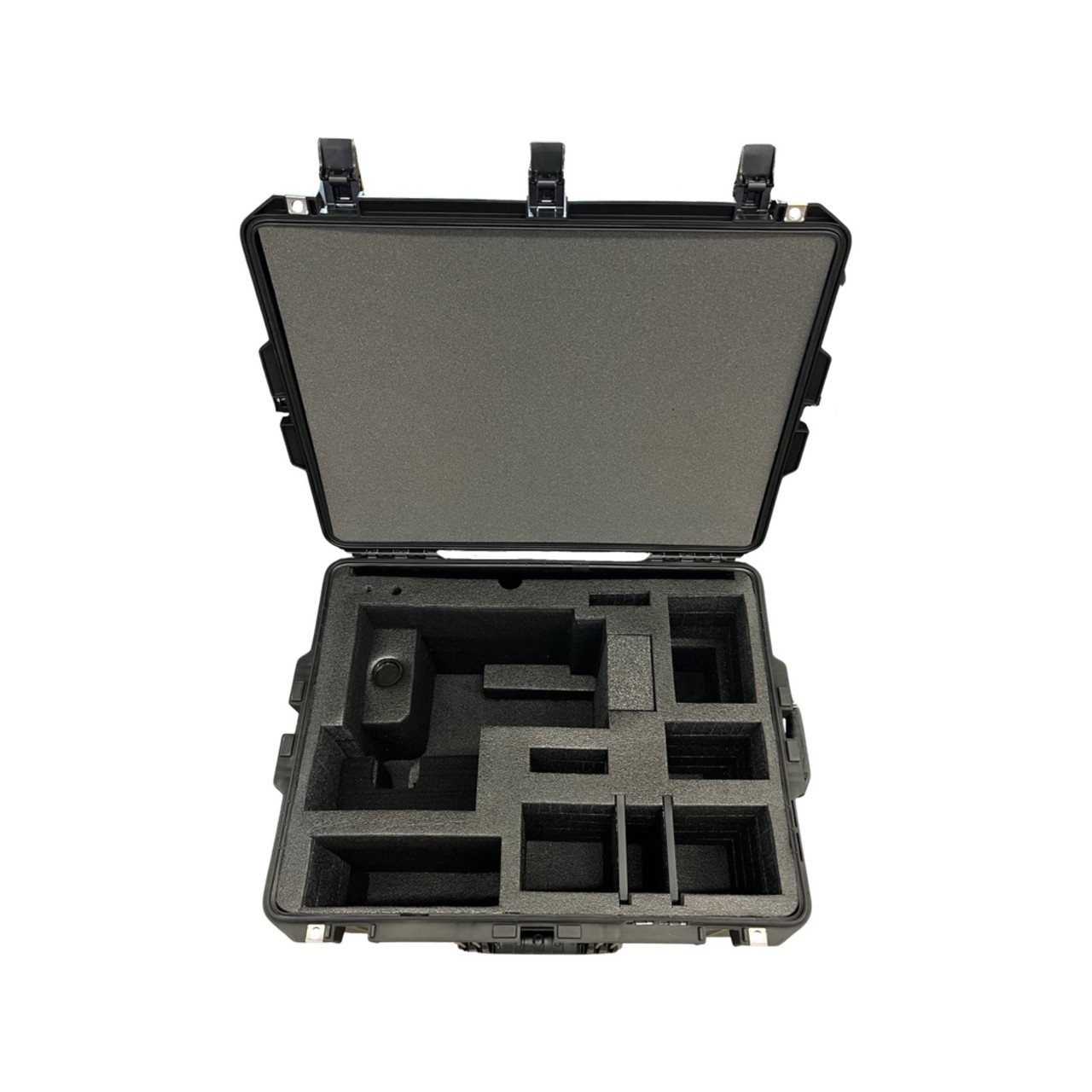
On a rental-house floor at five in the morning, nobody admires the case. The camera gets the reverence — the ARRI body, the set of primes, the wireless monitor that costs more than a used car. The case is furniture. Then a baggage handler drops a pallet from waist height onto a wet tarmac in a city the crew has never been to, and the unglamorous black box is suddenly the only thing standing between a shoot day and a five-figure insurance claim.
We have spent more than three decades on the other side of that moment. Innerspace Cases builds and outfits protective cases for the film industry out of Los Angeles, and the vast majority of what we ship is built around Pelican. This guide is not a spec sheet — Pelican publishes those, and we link to them. It is the conversation we actually have with a director of photography, a rental-house manager, or a first AC who walks in knowing exactly what gear they need to protect and not at all which case to buy. If you read to the end, you should be able to choose the right Pelican tier, the right interior, and the right size with confidence — and know when to size up instead of down.
Why professionals choose Pelican in the first place
Every serious case brand makes protective claims. Pelican's have held up on set for a simple reason: the guarantee behind them is unusually literal. The cases carry a lifetime warranty Pelican calls its Guarantee of Excellence, and it covers breakage in normal use — not a prorated, read-the-fine-print promise, but a replace-it guarantee that survives being treated like the working tool it is. When a case is going to spend its life being thrown into cargo holds and grip trucks, the warranty is not a marketing line; it is the reason the accounting department signs off.
Underneath that guarantee are three properties that matter more to cinema than to almost any other field: the cases are waterproof to IP67 (submersible to a meter for thirty minutes, dust-tight), they resist crushing and impact far beyond what their weight suggests, and they are a standardized ecosystem. That last point is quietly the most important for a rental house. When your entire inventory lives in the same family of cases, you can stack them, label them, engrave them, re-order the exact same one two years later, and pull replacement foam off a shelf. Standardization is what turns a pile of gear into a fleet.
The Pelican tiers, read through a cinema lens
Pelican's catalog looks sprawling until you understand that it is really five families, each solving a different problem. Here is how we position them for film and broadcast work.
-
01
Micro (1010–1060)the media and battery layer
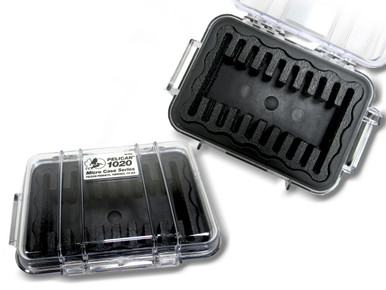
The smallest cases in the line are crush-proof, water-resistant boxes for the things that end a shoot day if they fail: CFexpress and SxS cards, batteries, sensors, small wireless kit. They are not glamorous, and they are consistently underestimated. One of the most-requested solutions we build is a Pelican 1020 fitted for SxS cards — a tiny case that protects the one item on the truck that literally holds the day's work. If your data wrangler is carrying cards in a jacket pocket, that is the first thing to fix.
Shop the 1020 for SxS -
02
Protector (1120–1780)the workhorse, and the heart of a cinema kit
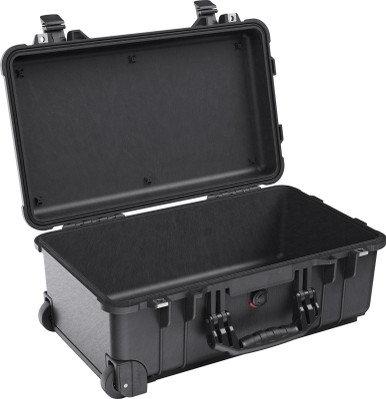
The Protector line is the classic Pelican: the black, hard-sided case most people picture. It runs from small pistol-sized boxes up to large rolling transport cases, and it is where most camera departments live. The single most-sold case in our shop is the Pelican 1510 — the carry-on-legal roller that has become the default body-and-lens travel case for a generation of shooters. Above it, the 1610, 1620, and 1630 handle full camera packages, lighting control, and grip electronics; the 1490 and 1495 protect laptops and DIT stations. If you buy one Pelican for a camera department, it is almost certainly a Protector.
Browse Protector cases -
03
Air (1485–1745)same protection, roughly 40% less to carry
Pelican Air is the answer to the one complaint every DP has about Protector cases: weight. Air cases use a next-generation resin to cut as much as forty percent of the weight while keeping the same waterproof, crushproof rating. On a checked-baggage shoot where every pound counts against an airline limit, or for a gimbal operator already carrying a rig all day, that difference is the whole argument. The trade-off is price — Air costs more per case — which is exactly why the choice between Air and Protector deserves its own section below.
Browse Air cases -
04
Storm (iM2050–iM3300)fast latches for field and broadcast
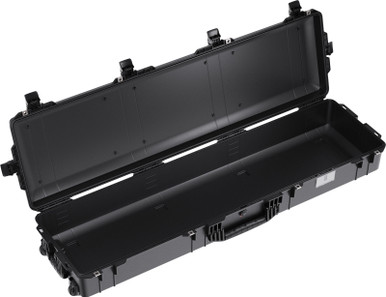
Storm cases swap Protector's twin-throw latches for press-and-pull button latches that open faster and never pinch a glove. Broadcast and ENG crews who are in and out of cases all day tend to prefer them; the protection is comparable to Protector, and the long iM3200/iM3300 cases are a favorite for light stands, tripods, and jib sections.
Browse Storm cases -
V05
Vault (V100–V800)the value tier
Vault is Pelican's budget-conscious line, aimed mostly at firearms and outdoor markets. It is genuinely tough, but it lacks the automatic pressure-equalization valve and the full warranty profile of the core line, so we rarely spec it for high-value cinema gear. It earns a mention because buyers cross-shop it on price — and because knowing why we don't reach for it on a $200,000 camera package is part of buying well.
Browse Vault cases
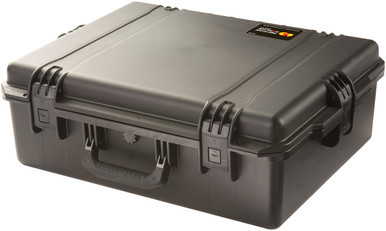
What we actually build most: the cinema solutions behind the sales
The clearest proof of what Pelican does for film is what people order. Beyond the 1510, the cases that move fastest through our shop are not empty boxes — they are custom-foam solutions cut for specific cinema gear. In a typical stretch we build Pelican cases fitted for the ARRI Alexa 35 and Alexa Mini LF, the Sony BURANO, SmallHD Cine production monitors, Fujinon and Angénieux zooms, OConnor fluid heads, and Riedel Bolero wireless intercom kits. These are not catalog items; they are a Pelican shell plus CNC-cut foam shaped to one exact package. That is the difference between selling a case and solving a transport problem, and it is the work we have built our name on.
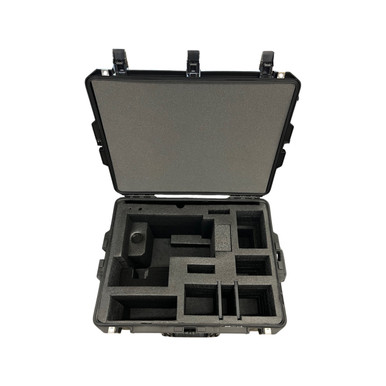 ARRI ALEXA 359020-60
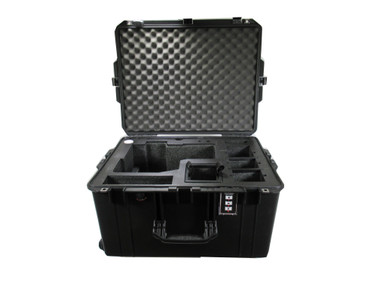 ARRI ALEXA Mini LF9015-19
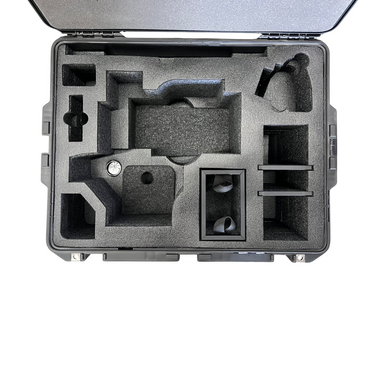 Sony BURANO9023-34
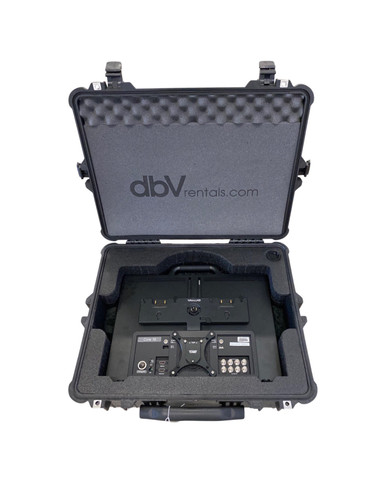 SmallHD Cine 189020-39
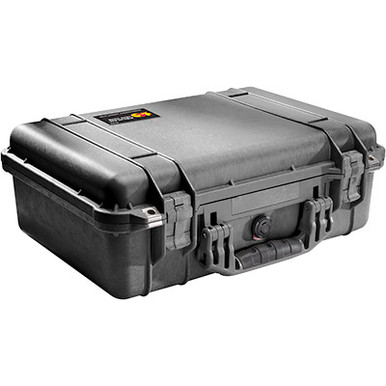 SmallHD Ultra 79023-92
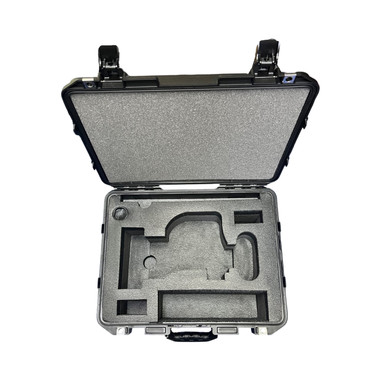 Fujinon Duvo Zoom9023-94-2
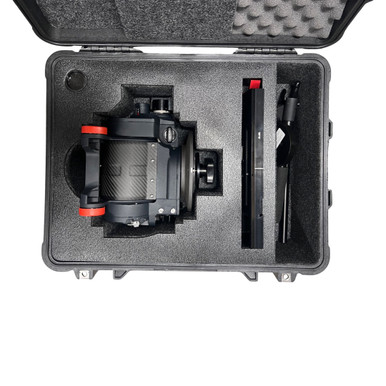 OConnor 2560 Fluid Head9013-20-1
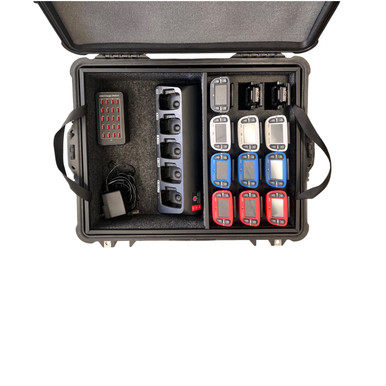 Riedel Bolero Intercom9017-45-2
Have a rig like these? We cut foam to your exact package.
Request custom foamWho should buy a Pelican — and who should not
A Pelican is the right call when your gear is expensive, hard to replace on a shoot day, and travels: camera bodies, lenses, wireless video, lighting control, sound kit, drones. It is also right whenever water, dust, or rough handling are realistic — which on location they always are — and whenever you want a case you can standardize across a fleet and re-order identically for years.
It is the wrong call in a few honest cases. If gear never leaves a controlled studio and only needs dust protection, a soft bag or a lighter trunk may serve better and cost less. If you need to move a very large amount of gear as a single road-case unit with a lid that becomes a work surface, an ATA flight case (which we also build) is the better tool. And if you are protecting something with an unusual shape that no stock foam will cradle, the answer is not a bigger Pelican — it is a correctly-sized Pelican with custom foam, which is a different decision than simply buying up a size.
Industries that live out of these cases
Our world is cinema and broadcast, so that is where this guide concentrates — camera departments, DITs, rental houses, ENG crews, and lighting and grip electrics. But the same properties that protect an Alexa protect a great deal else, and it is worth knowing the company your case keeps: still photography, military and law-enforcement field kit, industrial instrumentation, medical and diagnostic devices, scientific and laboratory equipment, sensitive electronics, drone and UAS payloads, touring musicians' in-ear and wireless rigs, general air travel, firearms transport where legally applicable, and field-service tool kits. If a piece of equipment is valuable and mobile, a Pelican has almost certainly been cut to hold it.
Interior options: the decision that actually protects your gear
The shell is only half the case. How you fit the inside determines whether your gear survives, and it is where most buyers either overspend or under-protect. There are five real choices.
For a cinema camera department, the pattern is usually this: pick-'n-pluck is fine for a single owner-operator who wants to get moving today; TrekPak and custom foam are what rental houses standardize on because they photograph cleanly for check-in/check-out, survive years of handling, and can be re-cut identically when a case is added to the fleet. The mistake we see most is a buyer choosing foam-filled when their kit changes weekly and they actually needed dividers — or choosing dividers for a delicate fixed package that needed shaped foam.
How to choose the right configuration — and the fastest way to get it right
The correct method is boring and reliable: measure your gear (not your old case), add clearance for foam walls, weigh the loaded kit if you fly, and only then choose a size and interior. The most common error is sizing to the gear's footprint and forgetting that two inches of protective foam on every side is the entire point. When in doubt, size up: a little extra foam is cheap insurance, and an overstuffed case that won't close under pressure is a case that has already failed.
Because that measuring step trips people up, we built a tool for it. Our Find Your Pelican chooser lets you filter the full line by interior and exterior dimensions, weight, and family, so you can start from your gear's size and work outward to the right case instead of guessing from model numbers.
Travel: what survives an airline, and what the rules actually are
The 1510 is the most-sold case in our shop for one reason above all: it fits within the carry-on dimensions of most major airlines, so a shooter can keep a camera body and a couple of lenses in the cabin rather than trusting them to a cargo hold. Its Air sibling, the 1535, does the same job lighter. For anything larger, the case is going under the plane — and here Pelican's design earns its keep: the automatic pressure-equalization valve balances the cabin/altitude pressure difference so the lid isn't vacuum-sealed shut on landing, while the waterproof seal keeps out rain on the tarmac and de-icing fluid on the ramp.
Two practical notes from years of shipping this way. First, check the specific airline and aircraft before you assume carry-on — regional jets have smaller bins, and “carry-on legal” is about the airline's rule, not the case. Second, for checked cases, add TSA-approved locks so security can inspect without cutting your latches, and consider photographing the packed layout for insurance and for re-packing after an inspection.
Related: the Pelican 1510 · shipping information
The protection, in plain terms
Waterproof: the core Protector, Air, and Storm lines carry an IP67 rating — dust-tight and able to sit under a meter of water for half an hour without leaking. In practice that means rain, spray, and a dropped-in-a-puddle accident are non-events. Crush and impact: the cases are designed to survive being stood on, stacked, and dropped loaded; the shells flex and return rather than shatter. Chemical and temperature: the copolymer resins shrug off most solvents, fuels, and cleaning agents encountered on location and hold their integrity across the temperature swings of a cargo hold or a desert exterior — roughly −10°F to 130°F or beyond depending on line. None of this is fragile-flower equipment; the entire point is that you can stop thinking about the case.
Warranty and maintenance: the Guarantee of Excellence covers breakage in normal use for the life of the case. To keep the seal doing its job, keep the O-ring gasket clean and lightly conditioned, don't paint or solvent-soak the gasket channel, blow grit out of the latches, and store cases with the lid cracked or a desiccant pack inside so trapped moisture doesn't sit against your gear. A ten-second wipe-down after a wet or dusty day is the difference between a decade of service and a cracked gasket.
Sources: Pelican Guarantee of Excellence · Pelican case comparison & specs · our warranty information
The mistakes and forgotten pieces we see most
After enough years you see the same avoidable problems. Buyers size down to save money and end up with a case they can't close over proper foam. They buy pluck foam for a kit that changes every week, then fight crumbling cubes six months later. They forget the pieces that make a case actually usable on a truck: caster/wheel kits for the big Protectors so a loaded case is rollable, TSA locks for travel, a lid organizer for cables and small tools, replacement latches and a spare O-ring for cases that live outdoors, desiccant for humid climates, and engraving or asset tags for anything in a rental fleet. And they underestimate weight for air travel — the case that was perfect on paper is eight pounds over the airline limit once it's loaded, which is precisely the moment an Air case pays for itself.
Caster kitsLid organizersTSA locksReplacement gasketsDesiccant
Frequently asked questions
Is a Pelican case really waterproof?
Yes — the Protector, Air, and Storm lines are rated IP67, meaning dust-tight and submersible to one meter for 30 minutes. The seal is a gasketed O-ring, so keeping that gasket clean is what preserves the rating over time.
What's the difference between Pelican Air and Protector?
Same waterproof and crushproof protection; Air is built from a lighter resin that cuts up to ~40% of the weight, at a higher price. Choose Air when weight or airline limits matter most, Protector when budget matters most.
Which Pelican is carry-on legal for a camera?
The 1510 (and its lighter Air equivalent, the 1535) fit most major airlines' carry-on dimensions. Always confirm against your specific airline and aircraft, since the limit is the airline's, not the case's.
Should I get foam, dividers, or TrekPak?
Pick-'n-pluck foam for a fixed one-off kit on a budget; padded dividers for kits that change often; TrekPak or custom CNC foam for professional and rental use that needs clean, durable, re-orderable layouts.
Can you cut custom foam for my exact camera package?
Yes — that's the core of what we do. We CNC-cut foam to a specific body, lens set, or monitor and drop it into the right Pelican shell. Request a quote with your gear list and we'll size the case and the foam.
Do I size up or size down when I'm between models?
Size up. Two inches of foam on every side is the protection; an overstuffed case that won't close under pressure has already failed. A little extra foam is cheap insurance.
Are Pelican cases TSA-friendly?
Use TSA-approved locks so agents can inspect without cutting your latches. The cases themselves are fine to check; photograph the packed layout so you can re-pack after an inspection.
What does the pressure valve do?
It automatically equalizes the pressure difference between a sealed case and the cabin/altitude around it, so the lid isn't vacuum-locked shut after a flight and the seal isn't stressed.
How do I maintain the case long-term?
Keep the O-ring gasket clean and lightly conditioned, blow grit from the latches, avoid solvents on the gasket, and store with the lid cracked or a desiccant inside to prevent trapped moisture.
Does the warranty really cover everything?
Pelican's Guarantee of Excellence covers breakage in normal use for the life of the case — it's a replacement guarantee, not a prorated one. Wear items like foam and gaskets are consumables.
Can I add wheels to a Pelican later?
Many large Protector and Storm cases accept caster/wheel kits, and some ship with them. It's a common and worthwhile add for anything heavy that gets moved on a truck or through a terminal.
Why buy from Innerspace instead of a big-box reseller?
Because we don't just ship a box — we're an authorized Pelican dealer that has built cinema solutions for more than three decades, cuts custom foam in-house in Los Angeles, engraves and standardizes rental fleets, and can tell you when a different case is the right answer.
Buying advice, in one paragraph
The bottom line
Pelican makes the cases that professional cinema trusts because the protection is real, the warranty is literal, and the ecosystem lets a working department standardize instead of improvise. The right choice is rarely the biggest case or the cheapest — it's the correct tier, the correct interior, and the correct size for your specific gear. That last mile is what we do. Innerspace Cases has spent more than thirty years turning Pelican shells into transport solutions for the film industry, and the reason to buy from us isn't that we stock them — it's that we know which one you actually need, and we can build the inside to fit.
Genuine Pelican · Authorized Dealer · Custom foam since day one
Know the gear. We’ll match the case.
Standardizing a rental fleet or ordering multi-unit? Talk to our shop.